Gradsko setaliste bb, 32000 Cacak
+381 32 342 360
In addition to its natural beauty, the tourist potential of the Ovčar-Kablar Gorge is also represented by a large number of Orthodox monasteries surrounded by forests, water and rocks. Owing to its ten monasteries and two holy sites in the Ovčar-Kablar Gorge, it is also known as the "Serbian Holy Mountain".
The Annunciation Monastery is located on a gentle hill above the settlement of Ovčar Banja. This is one of the few monasteries in the Ovčar-Kablar gorge for which it is known exactly when it was built and who the founders were. The inscription above the entrance to the church says that the temple was built in 1601-1602. The temple was built in the Raška architectural style and is considered as one of the most beautiful monasteries in the gorge, second only to the Holy Trinity.
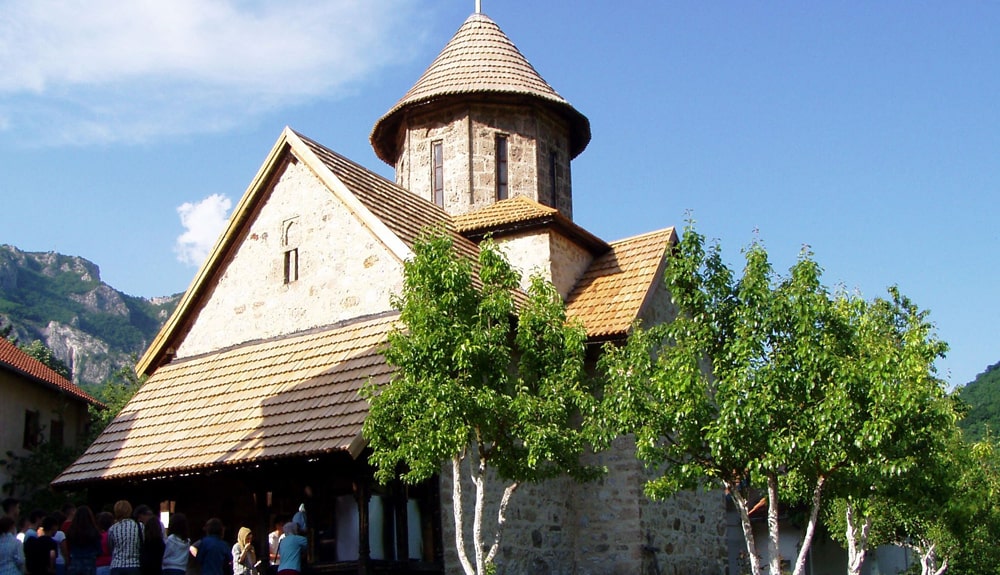
The monastery treasures one of the oldest books, the Gospel of the Annunciation, created in 1372. In its treasury, the ancient book of Four Gospels printed in 1552 is also kept. Patriarch Pavle was once a monk in it.
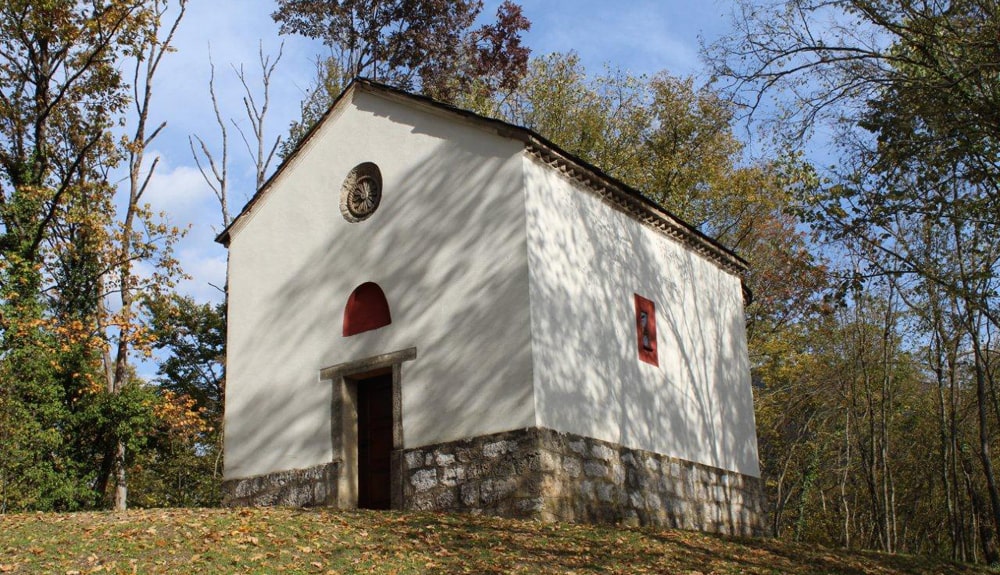
The St Elijah monastery is located above the Annunciation Monastery. Its origins and the time of construction remain unknown. Considering that it is close to the Annunciation monastery, it can be assumed that it was built by the monks of the Annunciation brotherhood, as a Metochion or embassy church during a time of relative prosperity. The current church was built in 1938 on the foundations of the old one.
The Monastery dedicated to Saint John is located on the left bank of the Zapadna Morava River, at its largest meander. No one can say with certainty when and by whom the monastery was built. The old church dedicated to Saint John was submerged in 1954 during the construction of a hydroelectric power plant. In the course of its long history, the monastery was repeatedly damaged and devastated, so that almost all traces of the original monastery have been lost, together with the treasury of the once great temple. The most valuable objects in the treasury are two throne icons from 1850.
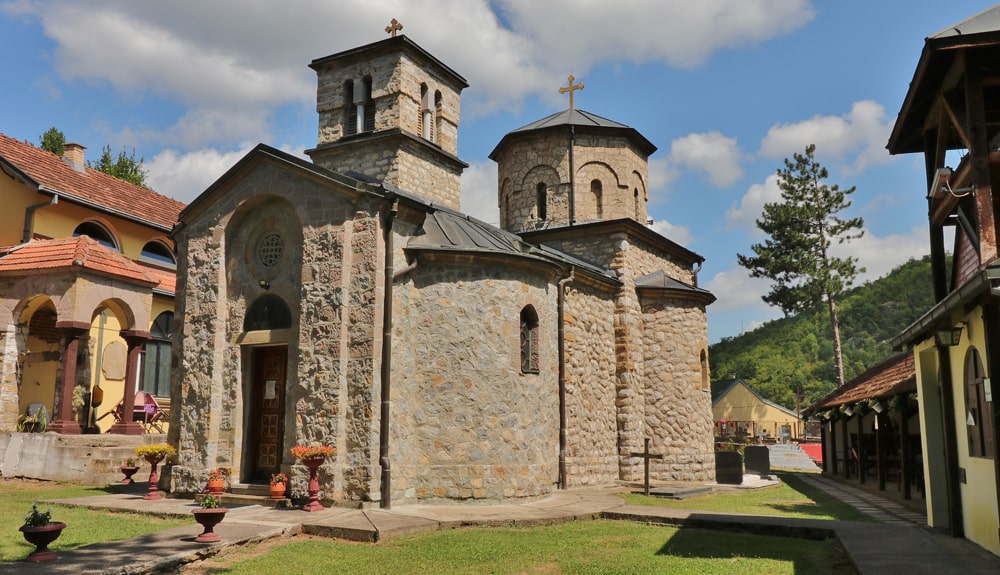
The present-day Jovanje monastery was designed in such a way as to combine old and new patterns in sacral architecture, resulting an entirely new addition to the panorama of Ovčar-Kablar monasteries.
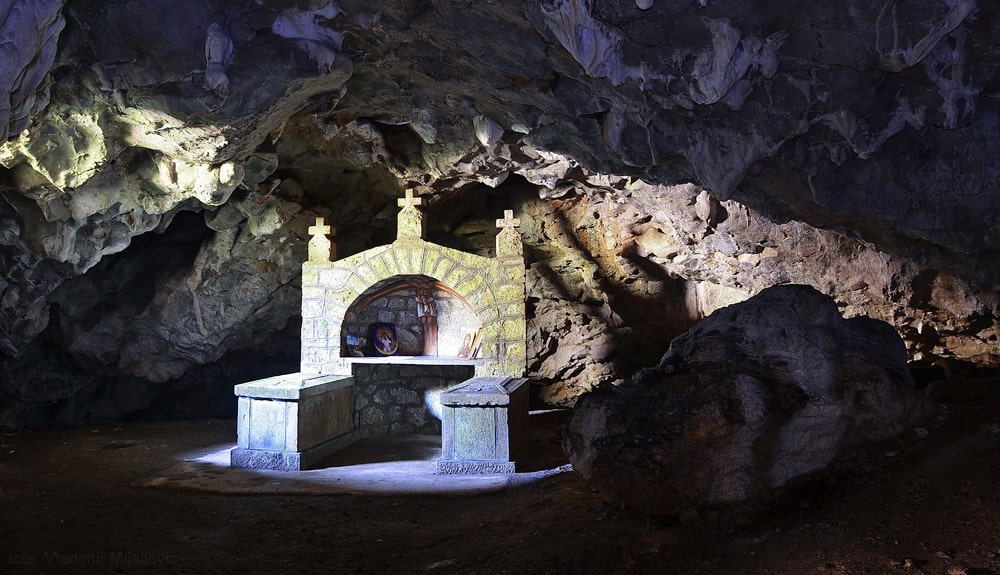
On the right bank of the West Morava River, a kilometer upstream from Ovčar Banja, is the Kađenica Cave. The entrance to the cave is decorated, and the main hall, with a hint of cave jewelry, is both a sacral and memorial site. Two stone sarcophagi and the crucifixion of Christ mark a gruesome trgedy from the time of the Hadži-Prodan rebellion in 1814.
During those bloody times, people fleeing from the surrounding villages hid in the cave. The Turks discovered them, piled branches and straw at the entrance and set it on fire, until all of the people inside the cave suffocated to death. Since then, this place has been called Kađenica, because of smoke (‘kad’).
The monastery of Saint Nicholas is the oldest church among the Ovčar-Kablar monasteries. It was built on the slopes of Kablar, on the left bank of the Western Morava. Based on the architectural characteristics, it is assumed that it originates from the Middle Ages, most likely the end of the 14th or the beginning of the 15th century.
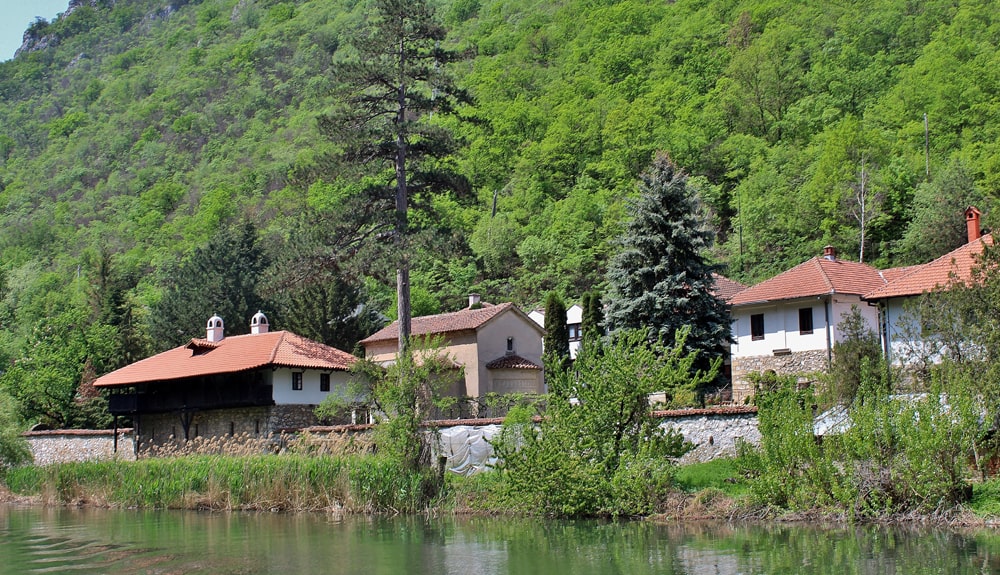
The Karan Gospel, the most important handwritten book in Serbian culture written at the beginning of 17th century is kept In the treasury of the monastery. In 19th century, the monastery had a large brotherhood of up to 300 monks, and it is also known as a one-time refuge for Miloš Obrenović and his family, who were hiding from the Turks. One of the residences inside the church yard was actually built by Miloš Obrenović in 1817, and is still known by his name today.
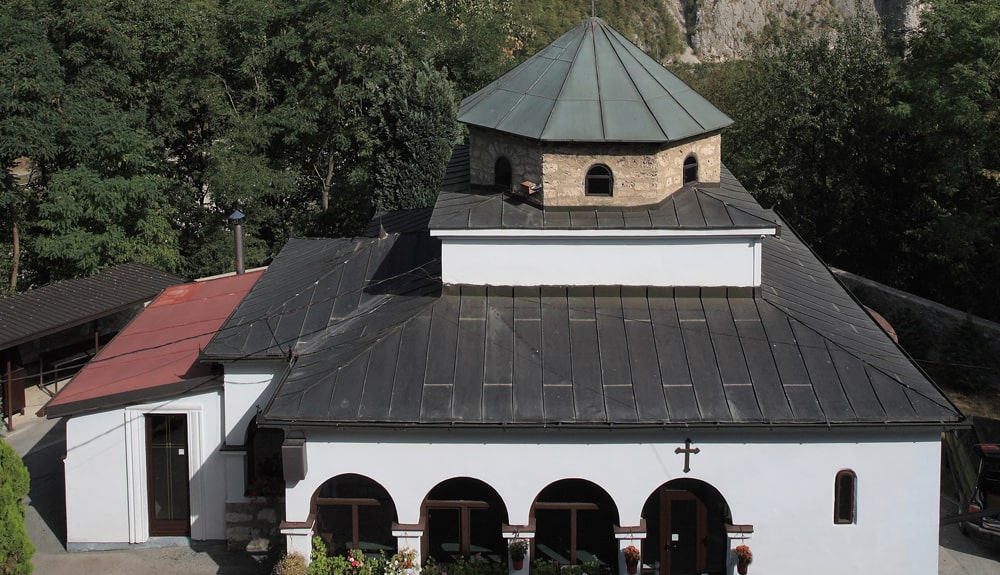
Today, the Monastery of Transfiguration is located off the right bank of the Zapadna Morava river, on the northern slopes of Ovčar. The original site of the monastery is opposite its present-day location, on the other side of the river, at the place of the present-day railway station in Ovčar Banja, overhung by the cliffs of the Kablar moutnain. The first mention of the Transfiguration Monastery in written sources dates back to 1525.
The old Monastery of Preobraženje was demolished, with the approval of Bishop Sava of Žička, in order to build a railway line to Užice. Bishop Nikolaj Velimirović launched the initiative to build a new Monastery of Preobraženje in 1938. Life in this monastery is organized according to the Athonite rule, which means that it has neither a parish nor property, but rather a missionary role.
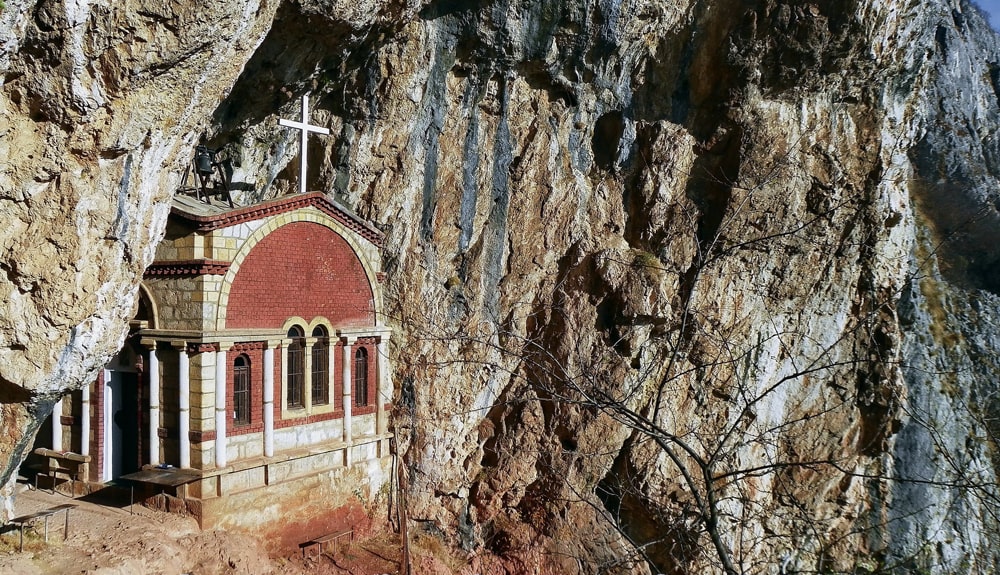
One of the most attractive water springs lies withing a stone cavity at the foot of the steepest cliffs of Kablar. The source, known as the Sava’s water, is believed to heal problems with eyesight and headaches. Back in 1938, a small church under the cliff was built near the spring. On church holidays, monks from the Monastery of Transfiguration perform regular services here.
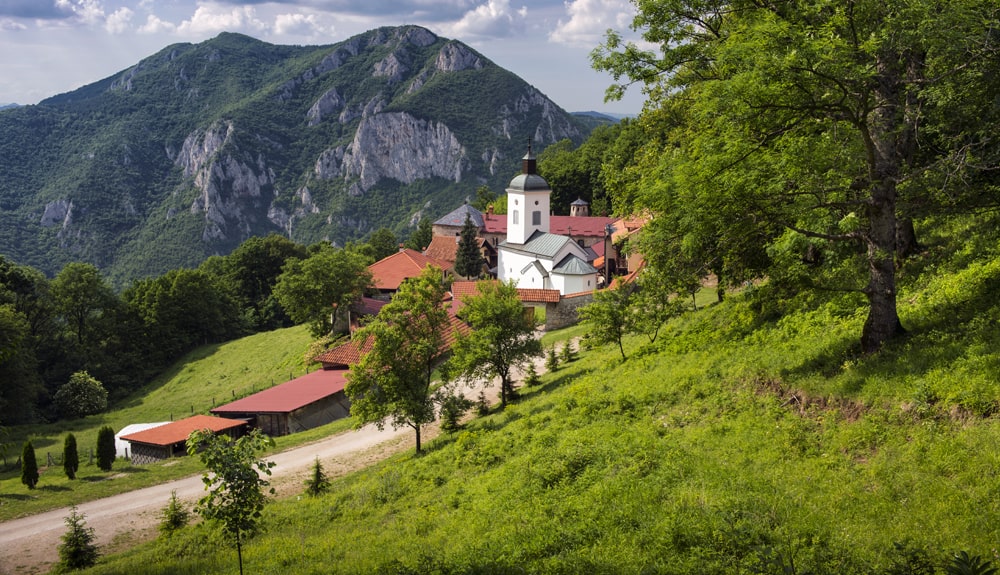
The Monastery of Presentation is located within an area of outstanding natural beauty, on a plain below the peak of Ovčar. Based on previous research, it is believed that the monastery was founded in the 16th century and was demolished and burned on several occasions in the past. It was not until 19th century that it was eventually restored, owing to the monk and later bishop Nikifor Maksimović.
Only three manuscript books have been preserved to this day and these are still kept in the monastery: the Gospel, the canons of the Virgin and the Minaeus for the month of June, which is a remarkable piece of our church literature, with a rare section containing the Service to Prince Lazarus. Other artefacts kept in the treasury include valuable objects such as the marble baptismal font and rosette from the 17th century and the icon of the Blessed Virgin Mary from 18th century.
Located on the southwestern wooded slopes of Ovčar, the church of the Holy Trinity Monastery is considered as the most beautiful example of church architecture among the monasteries of the Ovčar-Kablar gorge. The origins of the monastery and the exact time of its foundation remain unknown. However, the research and the data from the medieval Ottoman census indicate that it might originate from the second half of the 16th century. Like most of other monasteries in Serbia, the Holy Trinity monastery was heavily damaged at the end of the 17th century.
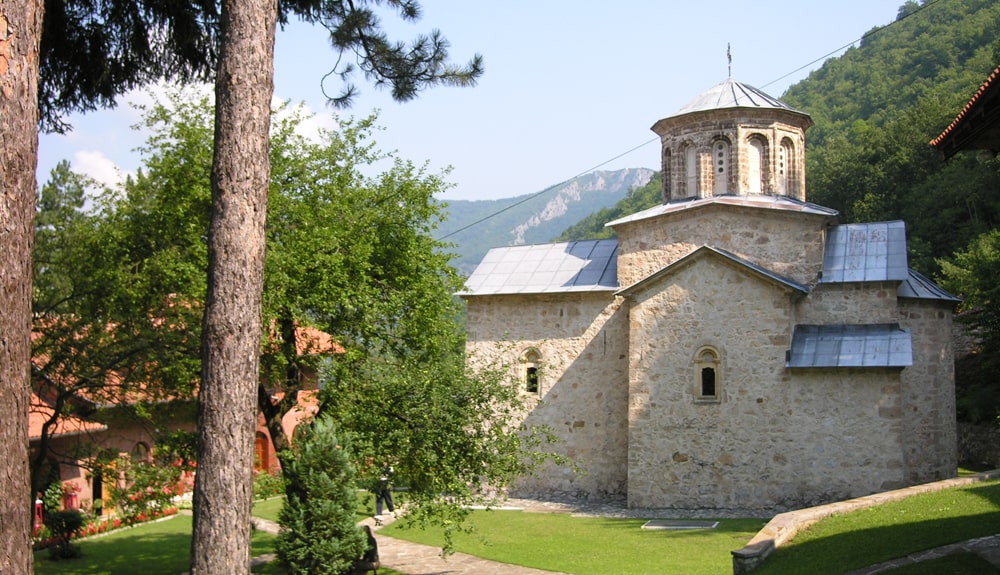
The monastery of Holy Trinity treasures a large throne cross of great artistic value, embroidered with gold and silver. In addition to this rare artefact, the Holy Trinity monastery keeps two unique throne icons – one representing the Saviour and the other dedicated to the Blessed Virgin, both valued as antiques.
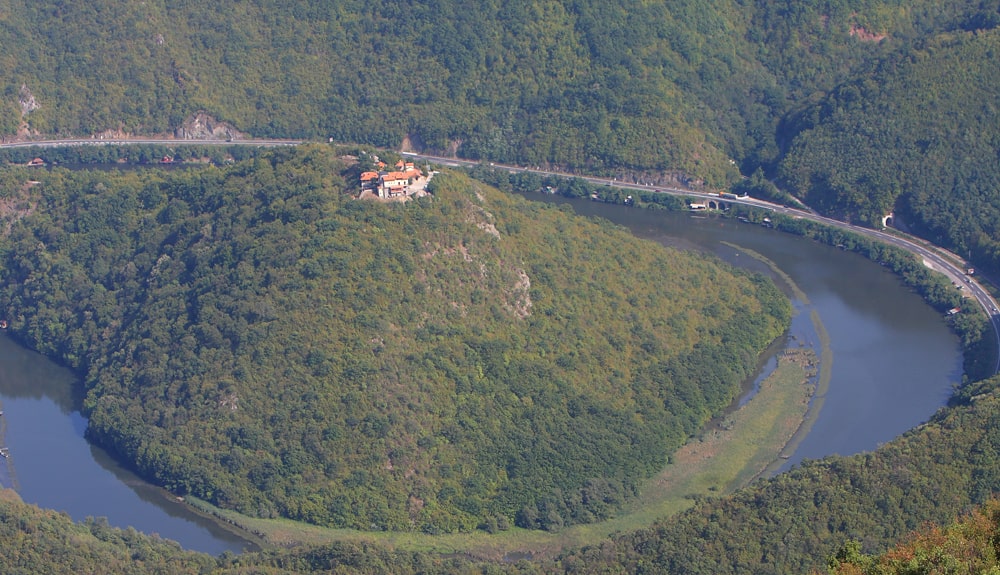
The Monastery of Dormition of Mother of God lies on a high slope overlooking the Monastery of Saint John and is visible from all sides of the gorge.
First mentioned in Turkish sources in 1536, the monastery is dedicated to the Dormition of the Mother of God. The site of the monastery once had a tall tower with a belfry, up to 30 meters high. It is assumed that the tower was demolished by the Turks at the same time as Saint John’s monastery, so that during his visit to the site at the turn of 20th century Bishop Nikolaj reported finding only the remains of the former structure.
The monastery church has several features that are rarely seen in other Serbian Orthodox churches. The church of the Monastery of Dormition has a very small number of narrow rectangular windows, without any decorations, while the church itself has never had any colourful details. In the monastery temple, there are actually two churches that have a common nathex. The left part of the temple is dedicated to the Dormition of Mother of God, and the right part to the Seven Martyrs of Ephesus.
The monastery dedicated to the Presentation of the Holy Mother of God was built at the very beginning of the gorge. The stylistic characteristics of the original parts of the temple indicate that this monastery was founded in the 16th century. The iconostasis of the Vavedenje Monastery includes the icon of the Virgin Mary with Christ and icon of Jesus Christ by Nikola Apostolović. The gilded imperial doors depicting the Annunciation have also been preserved. The modest artistic ensemble of the iconostasis is complemented by the preserved icons.
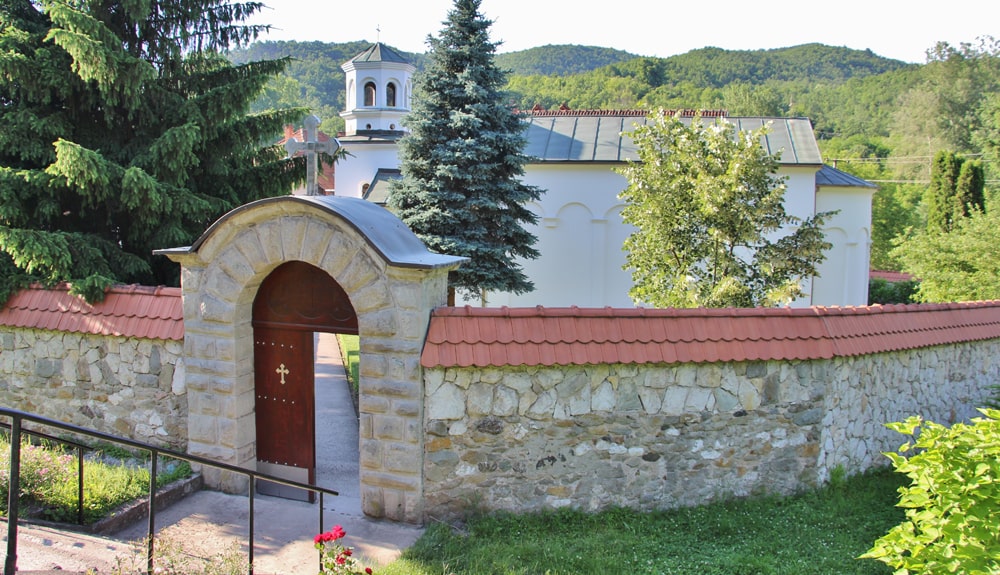
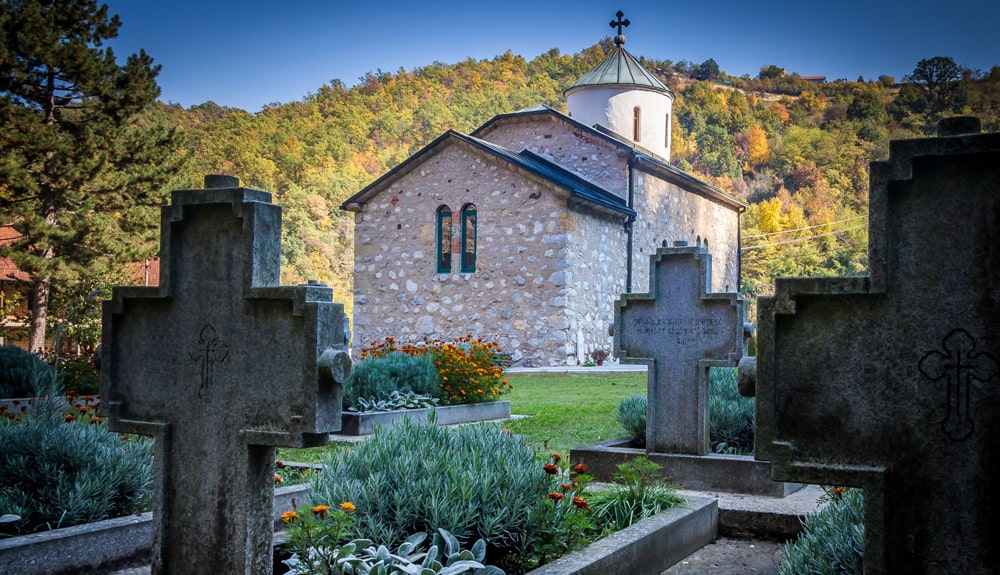
The Monastery of Ascension lies on the northern slopes of the Ovčar mountain. Based on a manuscript gospel which was written in 1570 in this monastery, it is known for sure that it existed in the 16th century. It is also most likely that it was devastated by the Ottomans during the Great Migration of 1690, like all the other monasteries in the gorge. After several unsuccessful attempts at its restoration attempts, it was finally renewed in 1930s, mostly owing to the efforts of the bishop Nikolaj Velimirović.


